


Artificial intelligence is growing faster than ever, but behind every advanced AI model is a massive amount of computing infrastructure. From AI chatbots and image generators to large language models and enterprise automation, modern artificial intelligence depends heavily on powerful hardware and cloud computing systems.
As AI demand continues rising globally, companies are investing billions of dollars into AI infrastructure to support model training, data processing, and large-scale computing workloads.
One recent example is the growing partnership between Microsoft and Lambda, which focuses on expanding access to cloud GPUs and AI computing capabilities. The collaboration reflects a broader industry trend: the race to build the infrastructure that will power the future of artificial intelligence.
But what exactly is AI infrastructure, and why is it becoming so important in 2026?
What Is AI Infrastructure?
AI infrastructure refers to the hardware, software, cloud systems, networking, and data center technologies used to develop, train, and operate artificial intelligence models.
Modern AI systems require enormous computing power to process massive amounts of data and perform complex calculations.
AI infrastructure typically includes:
- High-performance GPUs
- AI servers
- Cloud computing platforms
- Data centers
- Networking systems
- Storage systems
- AI software frameworks
Without powerful infrastructure, advanced AI systems such as large language models would not function effectively.
Why AI Models Need So Much Computing Power
Modern AI models are becoming increasingly large and complex.
Training advanced AI systems involves:
- Processing huge datasets
- Running billions of calculations
- Repeating training cycles continuously
- Optimizing neural networks
Large language models can contain billions or even trillions of parameters, requiring specialized hardware capable of handling extremely demanding workloads.
This is why AI companies depend heavily on high-performance computing systems and cloud infrastructure.
Learn more about High Performance Computing Systems.
Why GPUs Are Important for Artificial Intelligence
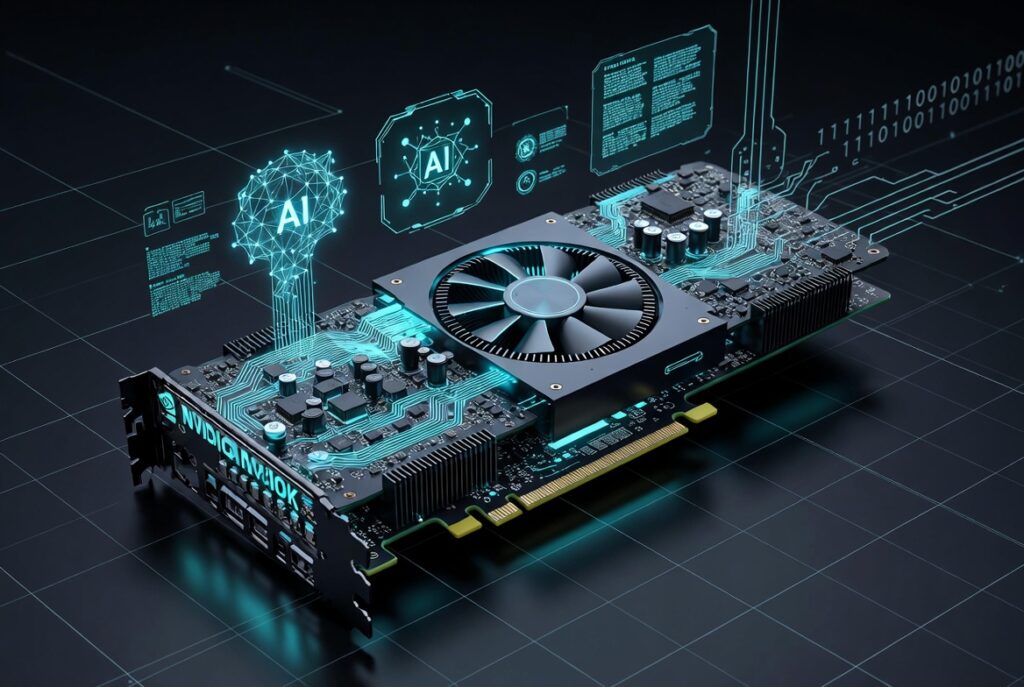
Graphics Processing Units (GPUs) have become one of the most important technologies in modern AI computing.
Unlike traditional CPUs, GPUs are designed to process many calculations simultaneously. This makes them highly effective for machine learning and neural network training.
AI companies use GPUs for:
- Training large AI models
- AI image generation
- Natural language processing
- Video analysis
- Scientific computing
- Deep learning workloads
NVIDIA currently dominates the AI GPU market because its hardware is widely optimized for AI training and inference.
As AI demand increases, access to GPU computing has become a major competitive advantage.
What Is Lambda?

Lambda is a technology company focused on AI infrastructure and GPU cloud computing.
The company provides:
- AI Cloud Services
- GPU Server Infrastructure
- AI model training systems
- High-Performance computing solutions
Lambda has gained attention for offering AI-focused cloud computing platforms designed for developers, researchers, startups, and enterprises working with artificial intelligence.
As AI computing demand continues growing, companies like Lambda are becoming increasingly important in the technology ecosystem.
Learn more about Lembda.
Why Microsoft Is Expanding AI Infrastructure
Microsoft has become one of the biggest investors in artificial intelligence infrastructure.
The company is heavily integrating AI into:
- Microsoft Azure
- Windows
- Copilot services
- Enterprise tools
- Cloud platforms
Microsoft’s partnership with OpenAI also significantly increased demand for large-scale AI computing resources. To support advanced AI workloads, Microsoft continues investing in:
- AI Data Centers
- GPU Clusters
- Cloud Infrastructure
- AI Partnerships
Collaborations with companies specializing in AI hardware and GPU computing help Microsoft scale AI services more efficiently.
Why AI Cloud Computing Is Growing Rapidly
Many businesses now rely on cloud-based AI services instead of building expensive infrastructure internally.
AI cloud platforms allow companies to:
- Train AI Models remotely
- Access Powerful GPUs
- Scale Computing resources
- Reduce Infrastructure costs
- Deploy AI applications faster
This approach makes Advanced AI technology more accessible to:
- Startups
- Researchers
- Developers
- Enterprises
As AI adoption accelerates worldwide, demand for AI cloud computing continues to increase rapidly.
The Growing Demand for AI Compute Power
One of the biggest challenges in the AI industry today is the shortage of Computing Power.
Advanced AI systems require:
- Enormous Energy
- Expensive Hardware
- Large GPU Clusters
- High-Speed Networking
The rise of generative AI tools has dramatically increased global demand for AI infrastructure.
Companies across the industry are now competing for:
- NVIDIA GPUs
- AI chips
- Cloud Capacity
- Data Center Resources
This competition is driving massive investments into AI infrastructure worldwide.
Challenges Facing AI Infrastructure
Despite rapid growth, AI infrastructure also faces several major challenges.
High Costs
Building and operating AI data centers is extremely expensive.
Large GPU Clusters and advanced Cooling Systems require Billions of Dollars in Investment.
Energy Consumption
AI training consumes significant amounts of electricity.
As AI models grow larger, concerns about Environmental Impact and Power usage are also increasing.
Hardware Shortages
Global demand for AI chips often exceeds supply.
GPU shortages have become a major issue for many AI companies and cloud providers.
Security and Reliability
AI cloud systems must remain secure, scalable, and reliable to support enterprise workloads.
Managing massive AI infrastructure introduces additional cybersecurity and operational risks.
Why AI Infrastructure Is Becoming a Strategic Industry
AI infrastructure is no longer just a technical requirement — it is becoming a strategic global industry.
Companies that control powerful AI infrastructure may gain major advantages in:
- Artificial Intelligence Development
- Cloud Computing
- Enterprise software
- Automation
- Future Technologies
This is why technology giants are investing aggressively in AI Computing Systems and partnerships.
The competition is no longer only about AI software — it is also about who controls the infrastructure powering artificial intelligence.
The Future of AI Infrastructure
AI infrastructure is expected to continue expanding rapidly over the next decade.
Future developments may include:
- More Powerful AI Chips
- Advanced Cloud AI systems
- Improved Energy efficiency
- Faster AI Networking
- On-Device AI computing
- Dedicated AI Data Centers
As artificial intelligence becomes more integrated into daily life, demand for scalable AI infrastructure will likely continue increasing.
The companies building today’s AI computing systems may shape the future of global technology.
Final Thoughts
The growing partnership between Microsoft and Lambda reflects a much larger shift happening across the technology industry. Artificial intelligence now depends heavily on powerful infrastructure capable of handling massive computing workloads.
From GPUs and cloud computing to AI data centers and large-scale model training, AI infrastructure is becoming one of the foundations of modern technology.
As demand for artificial intelligence continues to accelerate, companies investing in AI computing power may play a critical role in shaping the future of digital innovation.
For official Windows support, visit: Microsoft Windows Help
This is especially useful if the update is known to be problematic. Microsoft recently pulled and replaced several faulty updates.
For more troubleshooting guides, visit our Contact Us and About Us pages on Techmart.pk.