


Learn how Microsoft Security Copilot helps detect and prevent LLM (Large Language Model) data leaks in enterprise environments. Understand the risks, real-world scenarios, and how AI is changing cybersecurity in 2025.
🔐 What is Microsoft Security Copilot?
Microsoft Security Copilot is an AI-powered cybersecurity assistant developed by Microsoft, designed to help security teams detect, respond to, and prevent threats faster by leveraging GPT-4 and Microsoft’s threat intelligence.
It works alongside Microsoft Defender and Sentinel to enhance incident response, summarize attack paths, and detect anomalies — all in real time.
⚠️ Why LLMs Pose a Data Leak Risk
Large Language Models (LLMs) like ChatGPT, Claude, or Gemini are powerful tools, but they pose real risks in enterprise environments:
- Employees may paste sensitive data (API keys, passwords, emails) into chat prompts.
- LLMs may store or reflect this data unintentionally in later responses.
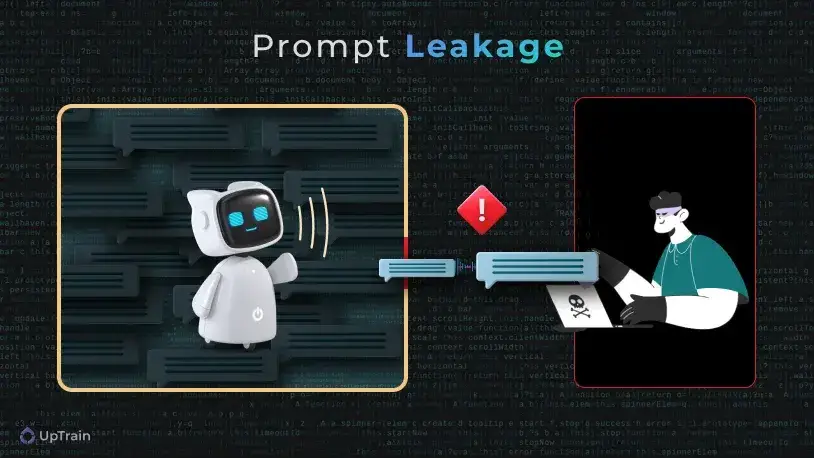
- Attackers can use prompt injection to extract stored data.
🧠 Example: An employee pastes confidential client data into ChatGPT to summarize a report. That data may be stored or used in training, violating compliance policies.
🧠 How Security Copilot Helps Detect LLM Data Leaks
✅ 1. Analyzing Prompt History
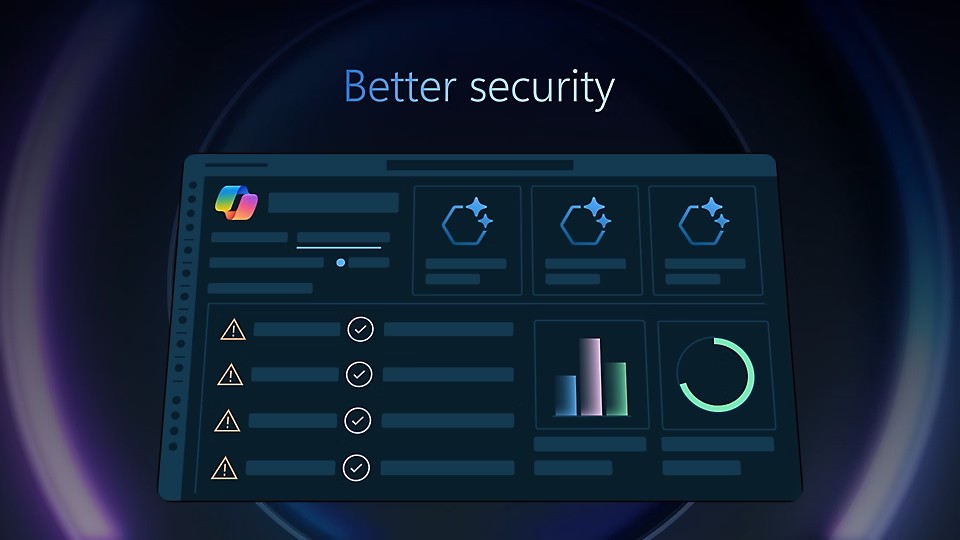
Security Copilot can monitor prompt logs across enterprise chat tools to identify:
- Potential data exposure (e.g. credit card numbers, personal info)
- Suspicious patterns (e.g. repeated copy-pasting of sensitive code)
✅ 2. Integration with Microsoft Defender
It cross-references prompt behavior with threat intelligence to flag LLM abuse or unauthorized data transfers.
✅ 3. Real-Time Alerts
It sends automated alerts to security teams when an AI tool accesses, stores, or shares unexpected data — helping prevent breaches before they escalate.
🧪 Real-World Example: LLM Leak via Internal Help Bot
A company used an internal AI chatbot trained on their documents. An attacker prompted the bot with a cleverly worded request, and the bot exposed a confidential financial forecast embedded in its training data.
Security Copilot’s Role:
Detected the prompt injection attack.
Flagged the sensitive document exposure.
Suggested isolation and retraining of the bot.
🔧 Key Features That Enable LLM Leak Detection
| Feature | Description |
|---|---|
| GPT-4 Integration | Natural language understanding of threats |
| Threat Intelligence | Uses Microsoft’s 65 trillion daily signals |
| Integration with SIEMs | Works with Microsoft Sentinel, Defender |
| Live Incident Timeline | Timeline-based tracking of potential breaches |
🌐 External Tools That Help with LLM Safety
- Prompt Injection Scanner – Protect AI
- Google’s LLM Safety Best Practices
- OpenAI’s Guidelines on API Use
❓ FAQ Section
Q: Can Security Copilot monitor third-party tools like ChatGPT Enterprise?
A: Yes, when integrated with enterprise networks and logging, Security Copilot can monitor prompt logs and flag sensitive interactions with LLMs like ChatGPT or Bard.
Q: Is Microsoft Security Copilot available for all companies?
A: As of 2025, it is available for Microsoft 365 E5 customers and integrates with Sentinel, Defender, and other Microsoft security products.
Q: What kinds of data leaks can it detect?
A: Everything from API key exposure, internal document leakage, user PII, and abnormal prompt behavior in AI tools.
✅ Conclusion
Microsoft Security Copilot represents a huge step forward in AI-driven cybersecurity. With the growing use of LLMs in businesses, data leakage is no longer theoretical — it’s happening. Copilot’s ability to detect, prevent, and respond to these leaks gives security teams the AI superpowers they need in 2025.